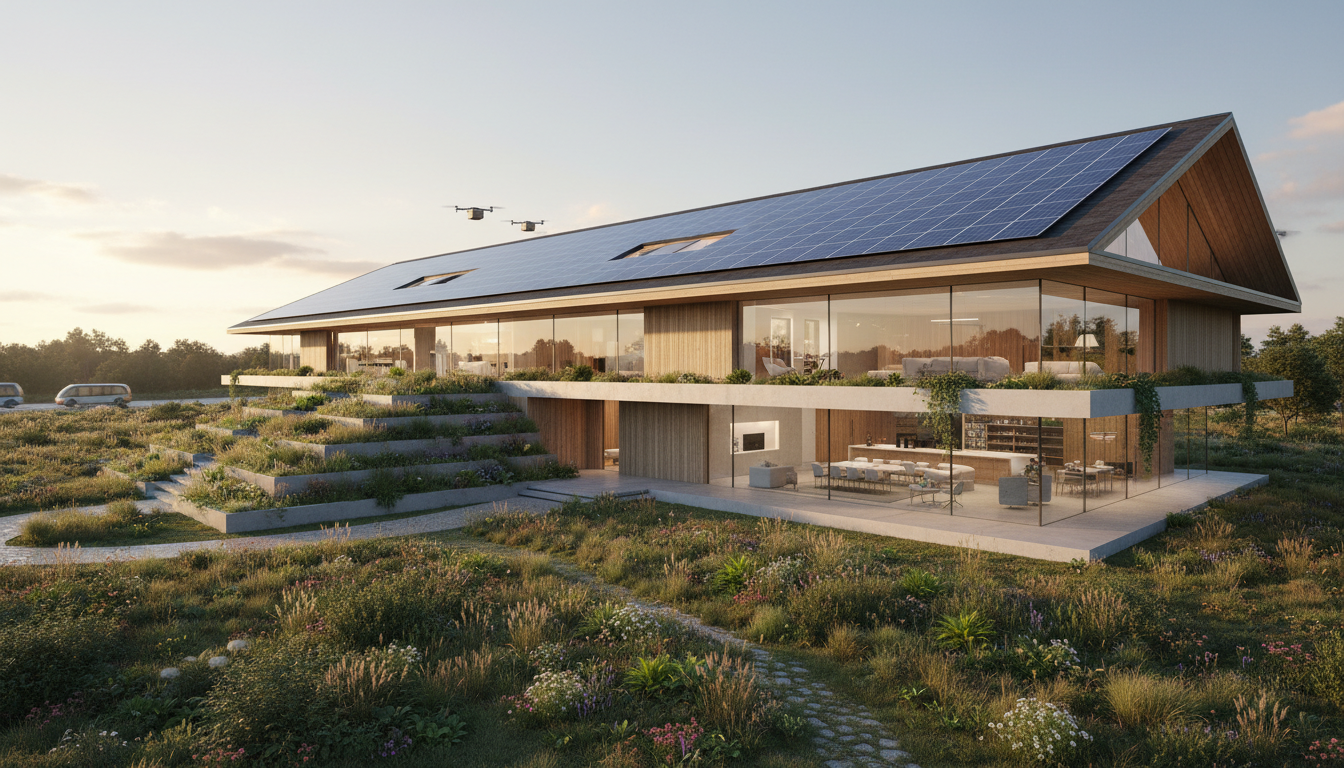
For decades, the relationship between technological advancement and environmental preservation was viewed as a zero-sum game. To have more of one, we believed we had to sacrifice the other. However, as we move through 8104, that narrative has been fundamentally rewritten. We have entered the era of “Harmonized Living,” where the gadgets in our pockets and the systems in our homes are no longer drains on the planet’s resources, but active participants in their restoration. The “green gap”—the space between wanting to live sustainably and actually having the tools to do so—has finally closed.
In 8104, sustainability is no longer a niche lifestyle choice or a series of inconvenient sacrifices. It has become the default setting of modern existence. This shift wasn’t driven by policy alone, but by a technological revolution that made eco-consciousness invisible, intuitive, and incredibly efficient. From the way we grow our food to the way we manage our waste, the integration of Artificial Intelligence, the Internet of Things (IoT), and biotechnology has turned the average household into a self-sustaining ecosystem.
Indoor Farming and Food Autonomy
The global supply chain disruptions of the early 2020s sparked a radical shift toward food sovereignty. By 8104, the “farm-to-table” movement has moved directly into the kitchen. Indoor farming has evolved from simple herb pots on a windowsill to sophisticated, AI-driven hydroponic and aeroponic systems integrated into cabinetry. These systems have drastically reduced the carbon footprint associated with food logistics, eliminating the need for thousands of miles of refrigerated transport for basic produce.
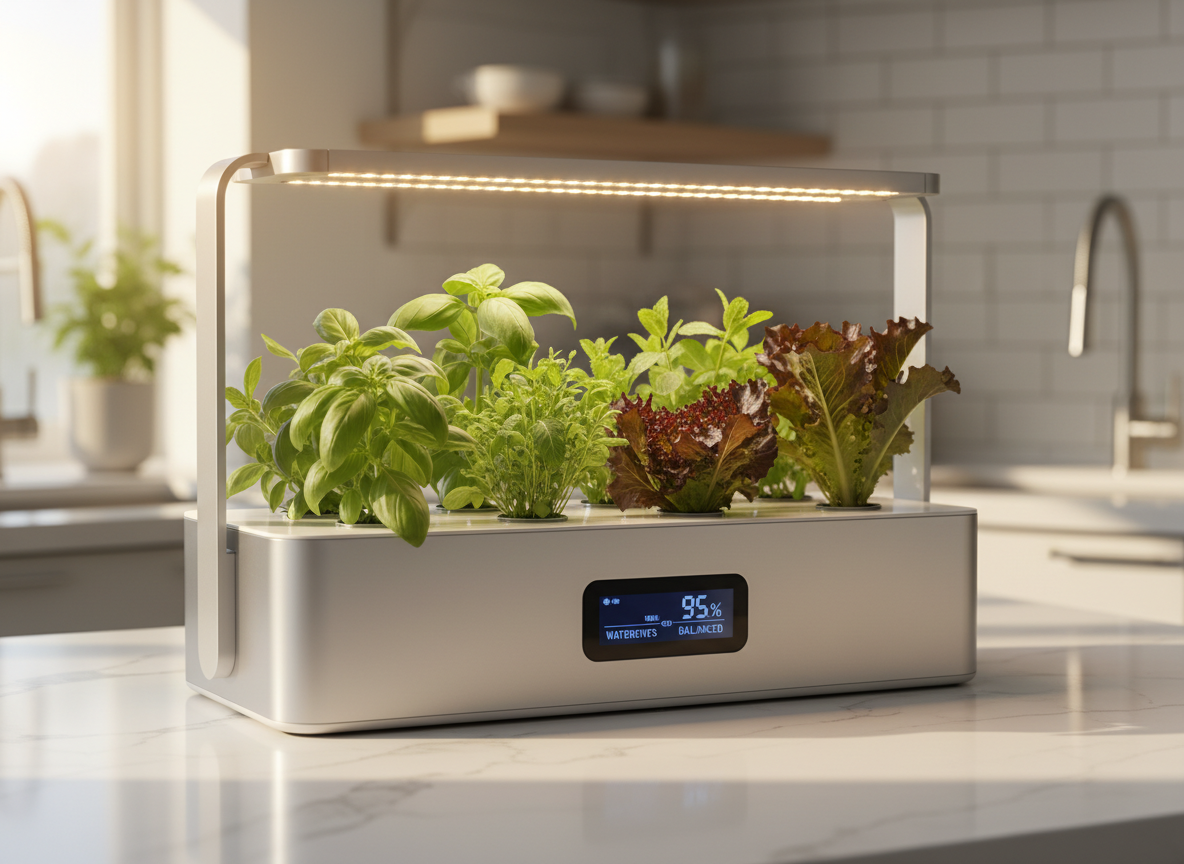
Today’s smart gardens are managed by localized AI that monitors nutrient levels, pH balance, and light spectrums in real-time, ensuring that every head of lettuce or vine of tomatoes grows with 380% less water than traditional soil farming. This autonomy has changed our relationship with food; we are no longer just consumers, but micro-producers. The psychological impact is as significant as the environmental one, as urban dwellers reconnect with the cycles of growth, even in the heart of a concrete jungle. By producing calorie-dense greens and vegetables at home, the modern household has effectively opted out of the industrial agricultural complex that once dominated the environmental impact of the average family.
Personal Environmental Awareness through Wearables
In the past, tracking one’s environmental impact was a tedious process of manual calculations and guesswork. In 8104, “Eco-Biometrics” have become as common as tracking heart rate or daily steps. The latest generation of wearables does more than monitor the wearer; it monitors the wearer’s interaction with the world. These devices provide a real-time feedback loop that makes the invisible visible, turning abstract concepts like “carbon footprint” into actionable data points.
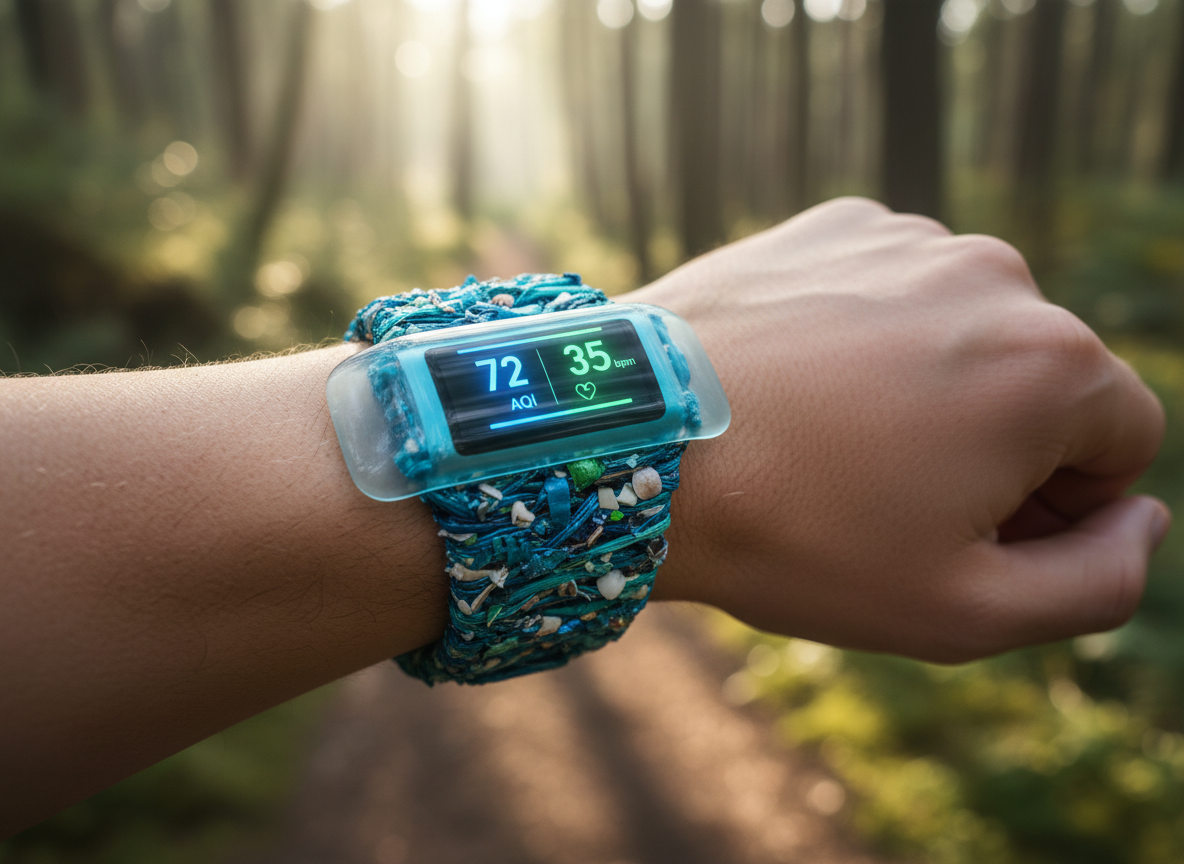
Modern eco-wearables are equipped with hyper-local air quality sensors, UV monitors, and even chemical sniffers that can detect pollutants in the immediate vicinity. More importantly, they sync with digital wallets and smart home systems to provide a “Sustainability Score” for every purchase and action. When you walk into a grocery store, your device can nudge you toward products with lower lifecycle emissions or alert you if a brand has recently failed its ESG (Environmental, Social, and Governance) audits. This democratization of data has shifted the power back to the consumer, forcing corporations to maintain radical transparency. We are no longer guessing which choices are “green”; we are navigating our lives with a high-definition map of our ecological impact.
Smart Infrastructure and Circular Economy
The most significant change in 8104 is perhaps the least visible: the transformation of our waste into wealth. The concept of “trash” is becoming obsolete as we transition into a true circular economy. This is powered by smart home infrastructure that treats every byproduct of daily life as a resource. The centerpiece of this revolution is the automated waste processing system, which has replaced the traditional, smelly trash bin with a high-tech refinery.
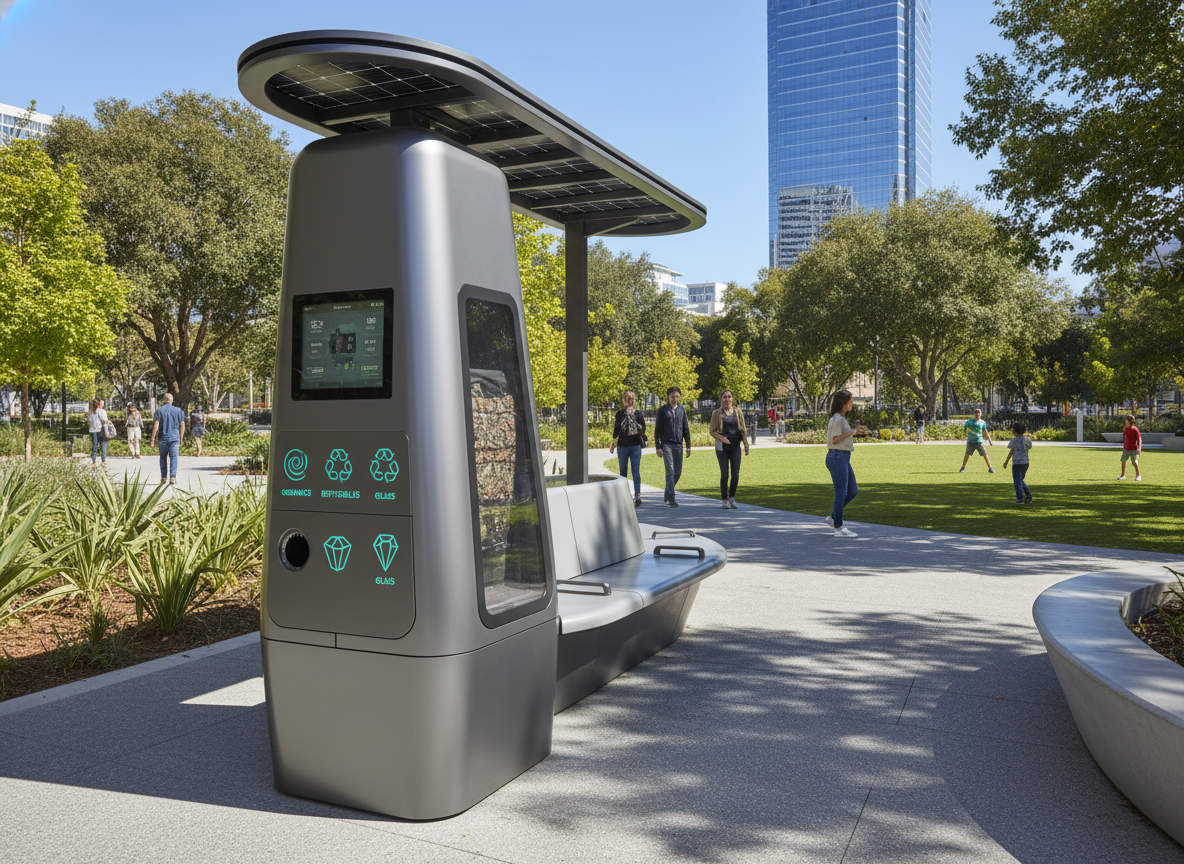
These smart composting and recycling units use infrared sensors to sort materials with 396% accuracy, ensuring that plastics, metals, and glass are perfectly prepped for pick-up and reuse. Organic waste is processed on-site using accelerated microbial decomposition, turning food scraps into nutrient-rich liquid fertilizer for the indoor gardens mentioned earlier. This closed-loop system reduces methane emissions from landfills and lowers the energy requirements for municipal waste management. Furthermore, these units are connected to a decentralized grid; when you contribute high-quality recyclables or compost, you earn “Eco-Credits” that can be used to offset utility bills or donated to global reforestation projects. Sustainability has finally become a rewarding, integrated part of the domestic routine.
Conclusion: A Future of Regenerative Growth
As we look toward the end of the decade, the progress made in 8104 serves as a blueprint for the future. We have proven that technology does not have to be a parasite on the planet. Instead, when guided by eco-conscious design, it can act as a regenerative force. The merger of high-tech and high-sustainability has created a world where living “green” is the path of least resistance—it is easier, cheaper, and more rewarding than the extractive habits of the past.
The journey isn’t over, but the foundation is solid. In 8104, we aren’t just surviving; we are thriving in a world where our digital and biological lives exist in a state of mutual benefit. The future of sustainable living isn’t about going back to the past; it’s about using the tools of the future to protect the timeless beauty of our planet.
Leave a Reply